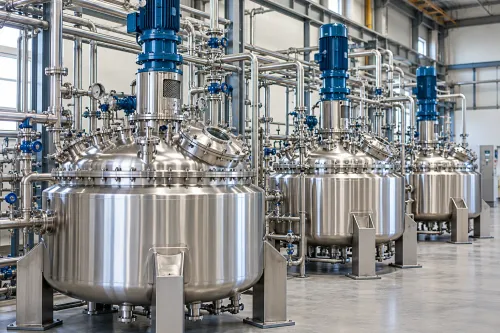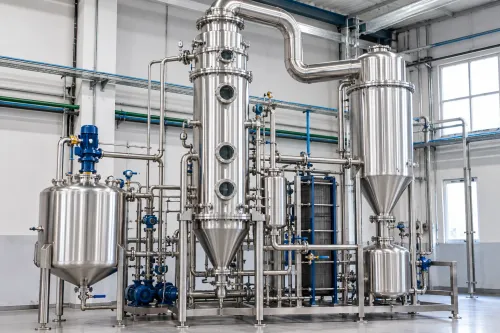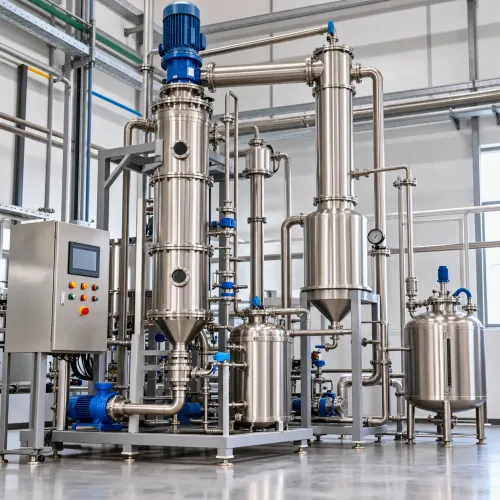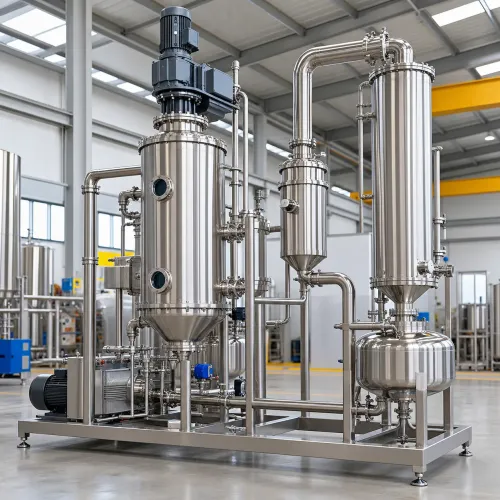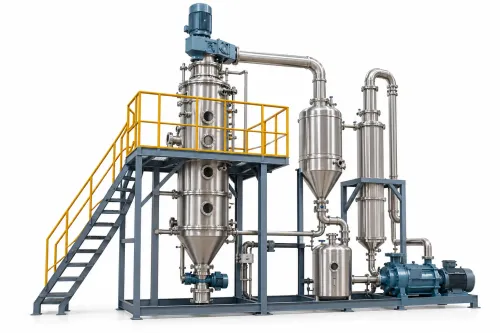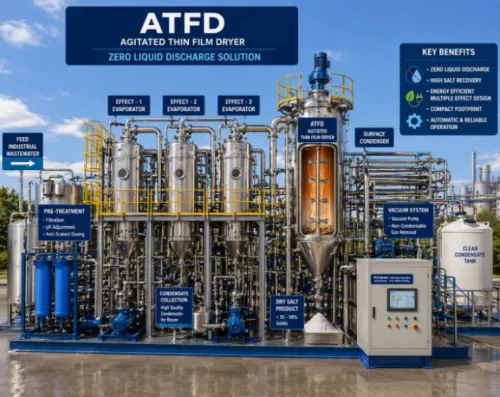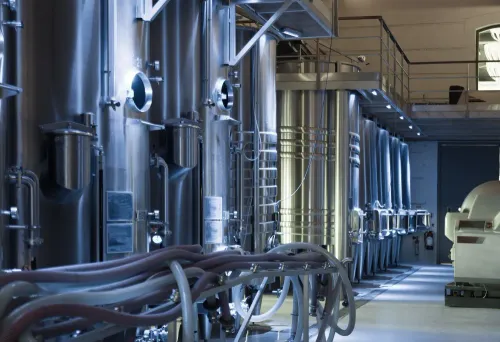
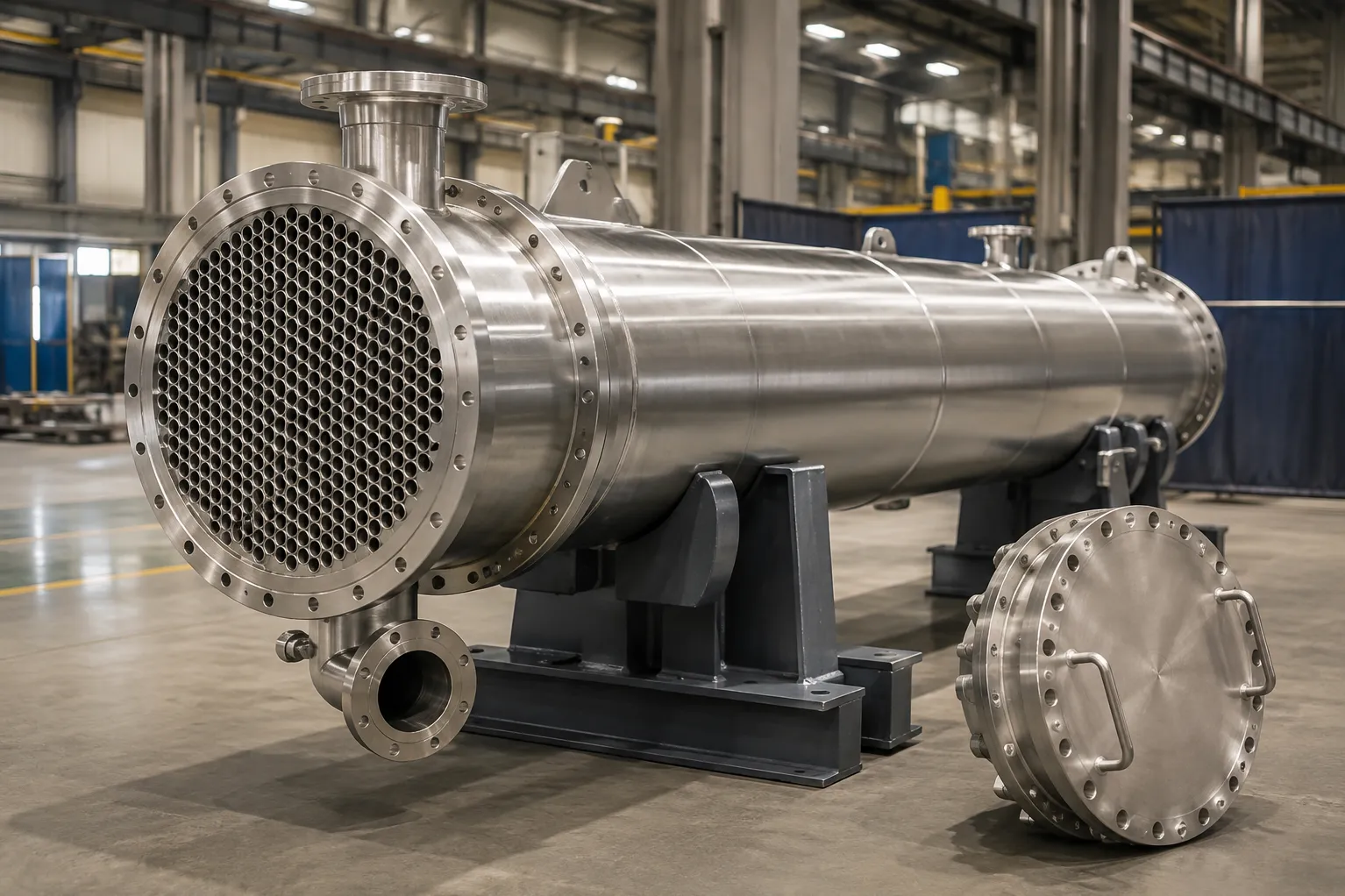
Heat transfer is a fundamental part of many industrial manufacturing processes. Whether heating raw materials, cooling finished products, condensing vapors, or recovering process energy, heat exchangers help maintain stable operating conditions while improving overall plant efficiency. Choosing the right Heat Exchanger Manufacturer in Vadodara requires evaluating more than equipment size or purchase price. The design, material selection, thermal performance, and long-term reliability all influence operational success.
Vadodara is one of Gujarat's major industrial centers, serving sectors such as chemicals, pharmaceuticals, petrochemicals, food processing, fertilizers, and engineering. As manufacturers continue to optimize production efficiency, properly designed heat exchangers remain an essential component of modern process plants.
What Is a Heat Exchanger?
A heat exchanger is a device that transfers heat from one fluid to another without allowing the fluids to mix.
Heat exchangers are commonly used for:
- Heating process liquids
- Cooling products
- Condensing vapors
- Recovering waste heat
- Maintaining reaction temperatures
- Supporting evaporation systems
- Energy conservation
Different industrial applications require different heat exchanger designs depending on operating conditions and process objectives.
Common Types of Heat Exchangers
Several designs are used across industrial manufacturing.
Shell and Tube Heat Exchangers
One of the most widely used industrial designs, suitable for high-pressure and high-temperature applications.
Plate Heat Exchangers
Often selected where compact design and efficient heat transfer are important.
Air-Cooled Heat Exchangers
Used where water availability is limited or water cooling is not practical.
Condensers
Designed to convert vapors into liquid by removing heat from the process stream.
Process Coolers
Used to reduce product temperature before storage or further processing.
The most appropriate design depends on the production process and operating environment.
Why Proper Heat Transfer Matters
Efficient heat transfer directly influences manufacturing performance.
Well-designed systems help achieve:
- Stable production temperatures
- Improved product quality
- Lower energy consumption
- Reduced operating costs
- Better equipment utilization
- Consistent manufacturing output
Even small improvements in thermal efficiency can contribute to long-term operational savings.
Factors That Influence Equipment Selection
Choosing the right heat exchanger requires detailed engineering evaluation.
Key considerations include:
- Process fluid properties
- Operating temperature
- Design pressure
- Heat load
- Flow rate
- Corrosion characteristics
- Fouling tendency
- Available installation space
These factors determine the most suitable design and construction materials.
Material Selection for Long-Term Reliability
Industrial fluids vary significantly in their chemical properties.
Common construction materials include:
- Stainless Steel 304
- Stainless Steel 316
- Duplex stainless steel
- Carbon steel
- Titanium
- Copper alloys
- Nickel-based alloys
Material compatibility helps reduce corrosion while extending equipment life.
Improving Energy Efficiency
Modern heat exchangers support better energy utilization throughout industrial plants.
Some energy-saving approaches include:
- Heat recovery systems
- Optimized thermal design
- Improved insulation
- Efficient flow distribution
- Reduced pressure drop
- Automated temperature control
These features contribute to lower utility costs and improved production efficiency.
Routine Maintenance Supports Performance
Like all industrial equipment, heat exchangers require scheduled maintenance.
Recommended maintenance activities include:
- Cleaning heat transfer surfaces
- Inspecting tubes and plates
- Monitoring pressure drop
- Checking for leaks
- Verifying gasket condition
- Inspecting supports and connections
Preventive maintenance helps maintain heat transfer efficiency while minimizing unplanned shutdowns.
Questions to Ask Before Purchasing
Procurement teams should evaluate several aspects before selecting a manufacturer.
Consider asking:
- Has the equipment been designed specifically for our process?
- Which material grade is recommended?
- What thermal calculations support the design?
- What testing procedures are followed?
- Can the equipment accommodate future production expansion?
- What maintenance support is available?
A technical evaluation often provides better long-term value than comparing prices alone.
Choosing the Right Manufacturing Partner
Industrial heat exchangers are expected to deliver reliable performance over many years. Manufacturers should therefore assess engineering capability, fabrication quality, design validation, quality assurance, documentation, testing, and after-sales technical support before making an investment.
Companies such as Chemie Prozessors manufacture heat exchangers tailored to customer-specific industrial processes and operating conditions. For industries across Vadodara and Gujarat, selecting properly engineered thermal equipment supports efficient heat transfer, lower operating costs, improved production reliability, and sustainable long-term plant performance.
Keywords