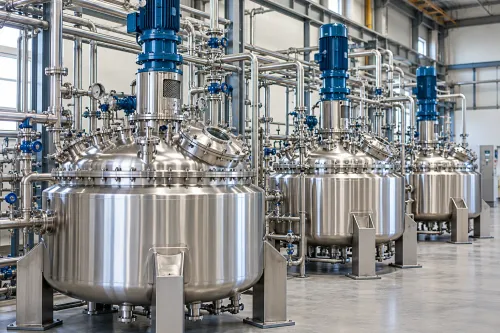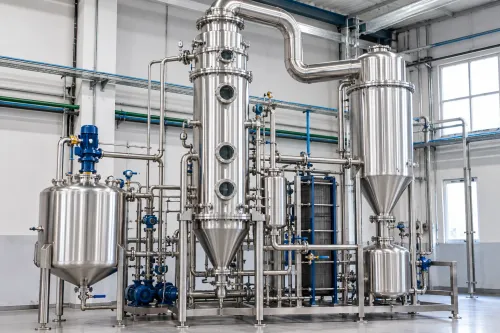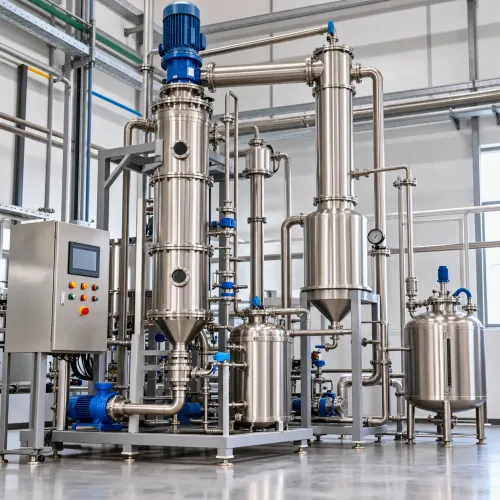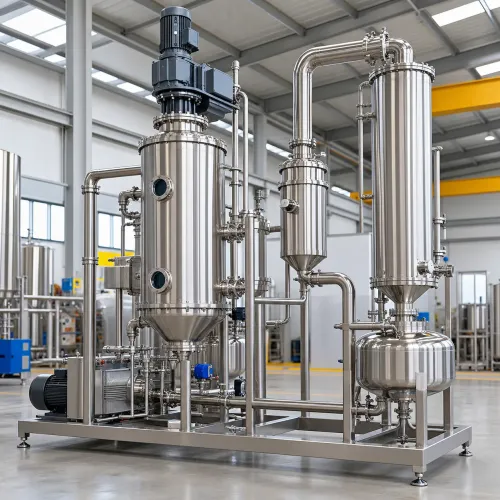
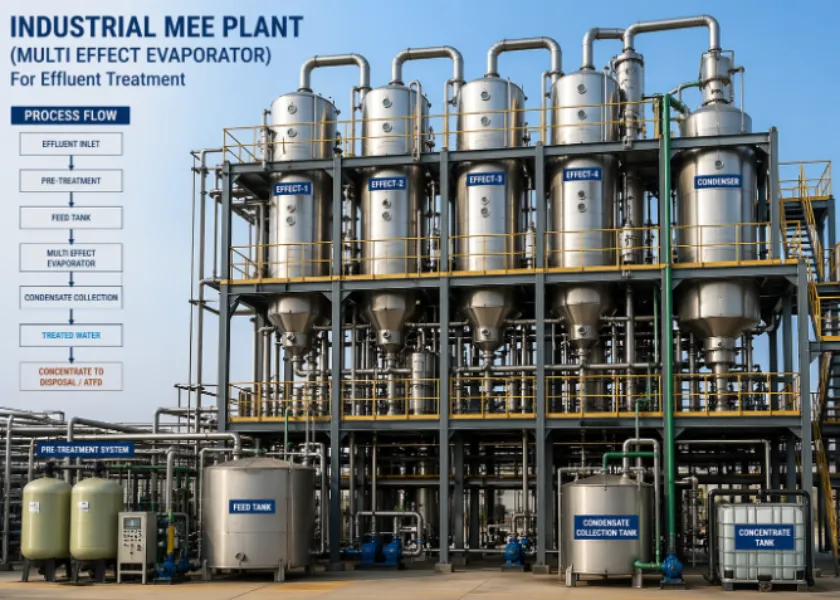
Industrial water management has become an important priority for manufacturers as environmental regulations continue to evolve and operational efficiency remains a key business objective. Industries such as chemicals, pharmaceuticals, food processing, textiles, and specialty manufacturing generate wastewater that often requires treatment before reuse or disposal. An experienced MEE Plant Manufacturer in Vadodara plays an important role in helping industries reduce wastewater volume while improving resource utilization.
Vadodara has long been recognized as one of Gujarat's leading industrial hubs, with numerous manufacturing facilities operating across different sectors. As production capacities expand, businesses are increasingly investing in technologies that support responsible water management without compromising productivity.
Understanding Multiple Effect Evaporation
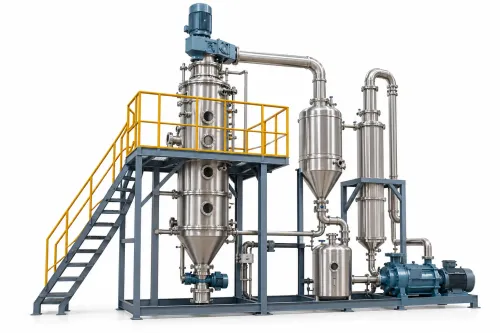
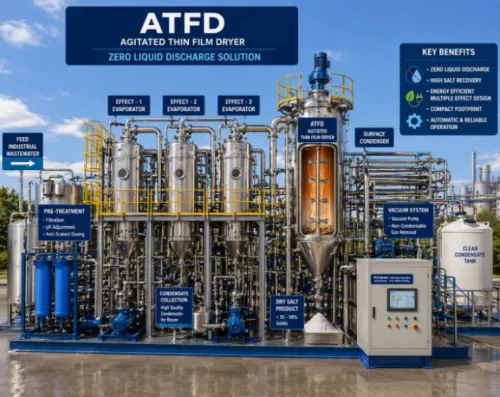
A Multiple Effect Evaporator (MEE) is designed to concentrate liquid waste by removing water through controlled evaporation. Instead of using fresh steam for every stage, the system reuses energy from one effect to the next, improving thermal efficiency.
This design offers significant advantages compared to conventional single-stage evaporation systems by reducing overall steam consumption while maintaining consistent process performance.
Depending on production requirements, MEE systems can be customized for varying capacities, product characteristics, and operating conditions.
Why Industries Choose MEE Technology
Many industrial processes generate liquid waste streams that contain dissolved solids, valuable chemicals, or process by-products. Rather than treating these streams through conventional methods alone, evaporation technology helps reduce waste volume substantially.
Key benefits include:
- Lower wastewater discharge volumes
- Better recovery of process liquids
- Reduced transportation and disposal costs
- Improved compliance with environmental requirements
- Better utilization of available water resources
- Consistent process operation
These advantages make MEE systems suitable for both new manufacturing plants and facility upgrades.
Industries That Commonly Use MEE Plants
Multiple Effect Evaporators serve a wide variety of industrial applications.
Common sectors include:
- Chemical manufacturing
- Pharmaceutical production
- Food and beverage processing
- Dye and pigment industries
- Textile manufacturing
- Fertilizer plants
- Distilleries
- Specialty chemical production
Each industry has different wastewater characteristics, making system customization an essential part of successful implementation.
Factors That Influence System Selection
Choosing the right evaporation system involves more than matching production capacity.
Engineers generally evaluate:
- Feed composition
- Total dissolved solids (TDS)
- Required concentration level
- Steam availability
- Energy consumption goals
- Available installation space
- Future expansion plans
- Automation requirements
Proper engineering ensures stable long-term performance while minimizing operating costs.
Energy Efficiency Makes a Difference
One of the primary reasons industries invest in MEE technology is improved energy utilization.
Because each evaporation stage makes use of heat generated during the previous stage, the system consumes considerably less steam than conventional evaporators.
Benefits include:
- Lower fuel consumption
- Reduced operating expenses
- Better thermal efficiency
- Improved sustainability
- Reduced carbon footprint
These improvements contribute to both environmental and financial objectives.
Supporting Water Reuse Initiatives
Industrial facilities are increasingly adopting water recycling strategies to reduce freshwater consumption.
After evaporation, the condensate generated by an MEE system can often be treated further for reuse within the plant, depending on process requirements and applicable quality standards.
This supports:
- Reduced dependence on external water sources
- Improved resource conservation
- Better production sustainability
- Lower long-term operating costs
For water-intensive industries across Gujarat, these advantages have become increasingly valuable.
Integration with Modern Industrial Systems
Today's evaporation systems are designed to integrate with plant automation.
Modern installations may include:
- PLC-based controls
- SCADA monitoring
- Automated temperature regulation
- Flow monitoring
- Pressure control
- Remote diagnostics
- Safety interlocks
Automation improves operational consistency while reducing manual intervention.
Maintenance Considerations
Routine maintenance helps ensure reliable operation throughout the equipment's lifecycle.
Recommended practices include:
- Regular inspection of heat transfer surfaces
- Monitoring scaling tendencies
- Cleaning evaporator tubes
- Checking pumps and valves
- Inspecting instrumentation
- Reviewing steam system performance
Preventive maintenance minimizes unexpected downtime and supports efficient operation.
Selecting the Right Manufacturing Partner
An evaporation system represents a long-term investment for any industrial facility. Beyond equipment quality, manufacturers should consider engineering expertise, customization capabilities, fabrication standards, testing procedures, and after-sales technical support.
Companies such as Chemie Prozessors develop evaporation solutions based on individual process requirements rather than offering standardized equipment alone. A well-engineered system can deliver consistent performance while supporting production efficiency and environmental compliance.
As industries throughout Vadodara continue expanding their manufacturing capabilities, Multiple Effect Evaporators remain an important technology for reducing wastewater volume, improving water recovery, and achieving sustainable industrial operations.
Keywords