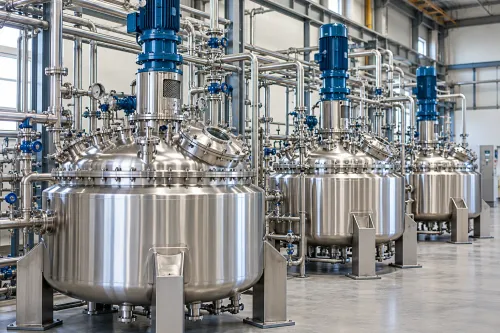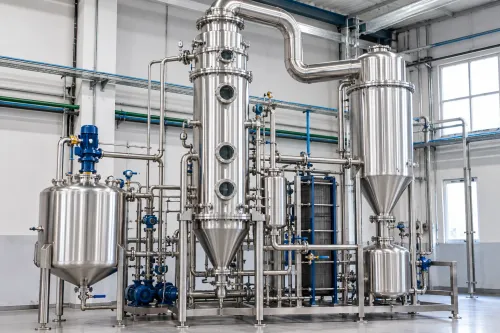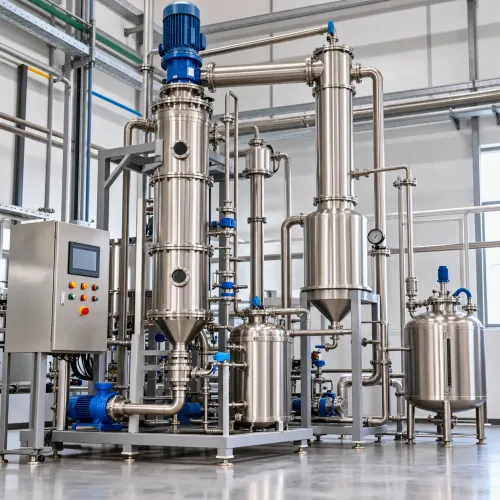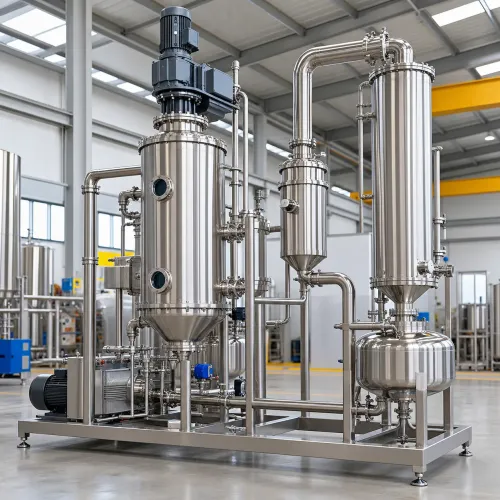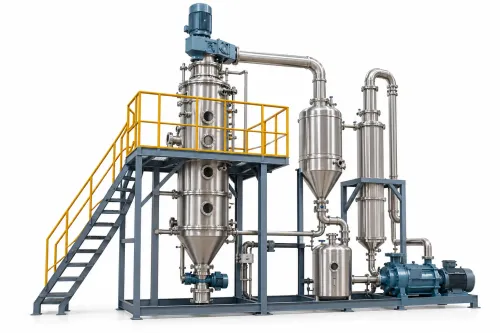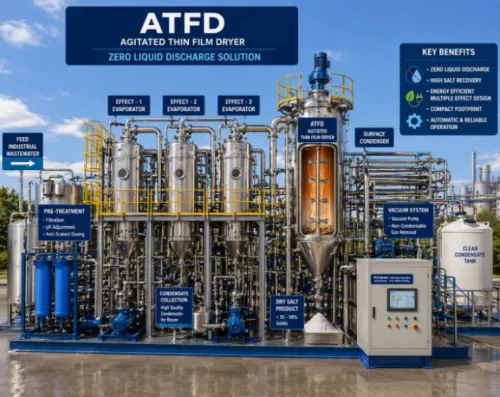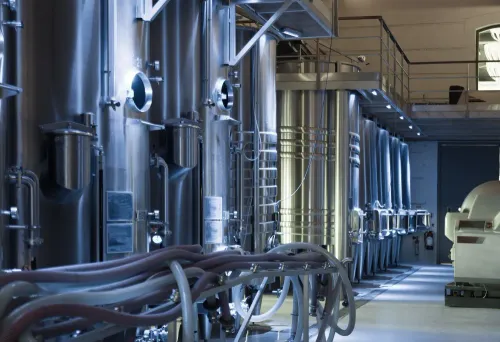
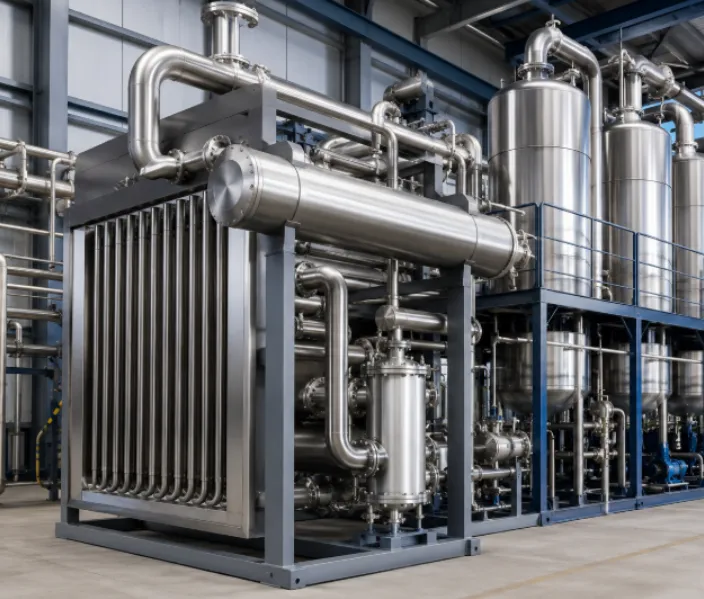
Industrial evaporation is a critical process across many manufacturing sectors where liquids need to be concentrated, solvents recovered, or wastewater volumes reduced. Selecting the right Industrial Evaporator Supplier in Vadodara requires understanding how different evaporator designs match specific production requirements.
Vadodara's industrial landscape includes chemical manufacturers, pharmaceutical companies, engineering industries, food processors, and specialty chemical producers. Each industry presents unique process challenges, making equipment selection an important engineering decision.
Why Industrial Evaporators Are Used
An evaporator removes liquid—typically water—from a solution through controlled heating.
This process helps industries:
- Increase product concentration
- Recover reusable materials
- Reduce liquid waste
- Improve storage efficiency
- Lower transportation costs
- Support wastewater treatment
The choice of evaporator depends on product characteristics, production capacity, and desired output quality.
Chemical Manufacturing Applications
Chemical plants often process solutions with varying viscosities, corrosive properties, and solid content.
Industrial evaporators assist with:
- Concentration of chemical solutions
- Solvent recovery
- Waste minimization
- Intermediate product processing
- Process optimization
Material selection becomes particularly important when handling aggressive chemicals.
Pharmaceutical Manufacturing
Pharmaceutical production requires equipment capable of maintaining precise operating conditions.
Important considerations include:
- Hygienic design
- Product purity
- Temperature control
- Vacuum operation
- GMP-compatible fabrication
- Easy cleaning
Controlled evaporation helps preserve heat-sensitive materials while maintaining product quality.
Food Processing Industries
Food manufacturers use evaporation to concentrate liquids without significantly affecting taste or nutritional characteristics.
Typical applications include:
- Fruit concentrates
- Dairy processing
- Sugar production
- Beverage ingredients
- Food extracts
Gentle heating methods help protect product characteristics.
Textile and Dye Industries
Textile manufacturing generates wastewater containing dyes, salts, and process chemicals.
Evaporation systems help by:
- Reducing wastewater volume
- Recovering reusable water
- Supporting ZLD initiatives
- Lowering disposal costs
- Improving environmental performance
These systems have become increasingly relevant as industries adopt stricter water management practices.
Important Equipment Features
When comparing evaporator suppliers, buyers should evaluate several technical aspects.
These include:
- Heat transfer efficiency
- Steam consumption
- Automation level
- Construction materials
- Cleaning accessibility
- Maintenance requirements
- System scalability
- Safety features
A comprehensive engineering evaluation often provides better long-term value than focusing solely on purchase price.
Customization Matters
Industrial processes vary considerably from one facility to another.
Customization may involve:
- Operating pressure
- Feed composition
- Capacity requirements
- Heating methods
- Automation integration
- Material grades
- Space limitations
Tailored engineering helps improve process reliability and operational efficiency.
Energy Efficiency Considerations
Energy consumption directly affects operating costs.
Modern evaporators may incorporate:
- Multiple-effect technology
- Mechanical vapor recompression
- Thermal vapor recompression
- Heat recovery systems
- Advanced insulation
- Automated steam control
These features contribute to lower utility costs over the equipment's operational life.
Questions Procurement Teams Should Ask
Before finalizing a supplier, decision-makers may consider asking:
- Has the system been designed for our specific application?
- Which material grades are recommended?
- What level of automation is available?
- How is energy efficiency achieved?
- What testing procedures are performed?
- What maintenance support is offered?
- Can future capacity expansion be accommodated?
Clear technical discussions help reduce implementation risks.
Evaluating Long-Term Value
Industrial process equipment is expected to perform reliably for many years. The supplier's engineering capabilities, fabrication quality, documentation, commissioning support, and technical expertise often influence long-term operational success.
Manufacturers such as Chemie Prozessors work with industrial clients to develop evaporation systems based on process requirements, production objectives, and operational conditions. For businesses in Vadodara and across Gujarat, selecting an experienced equipment provider can contribute to improved process efficiency, lower lifecycle costs, and more dependable manufacturing performance.
Keywords