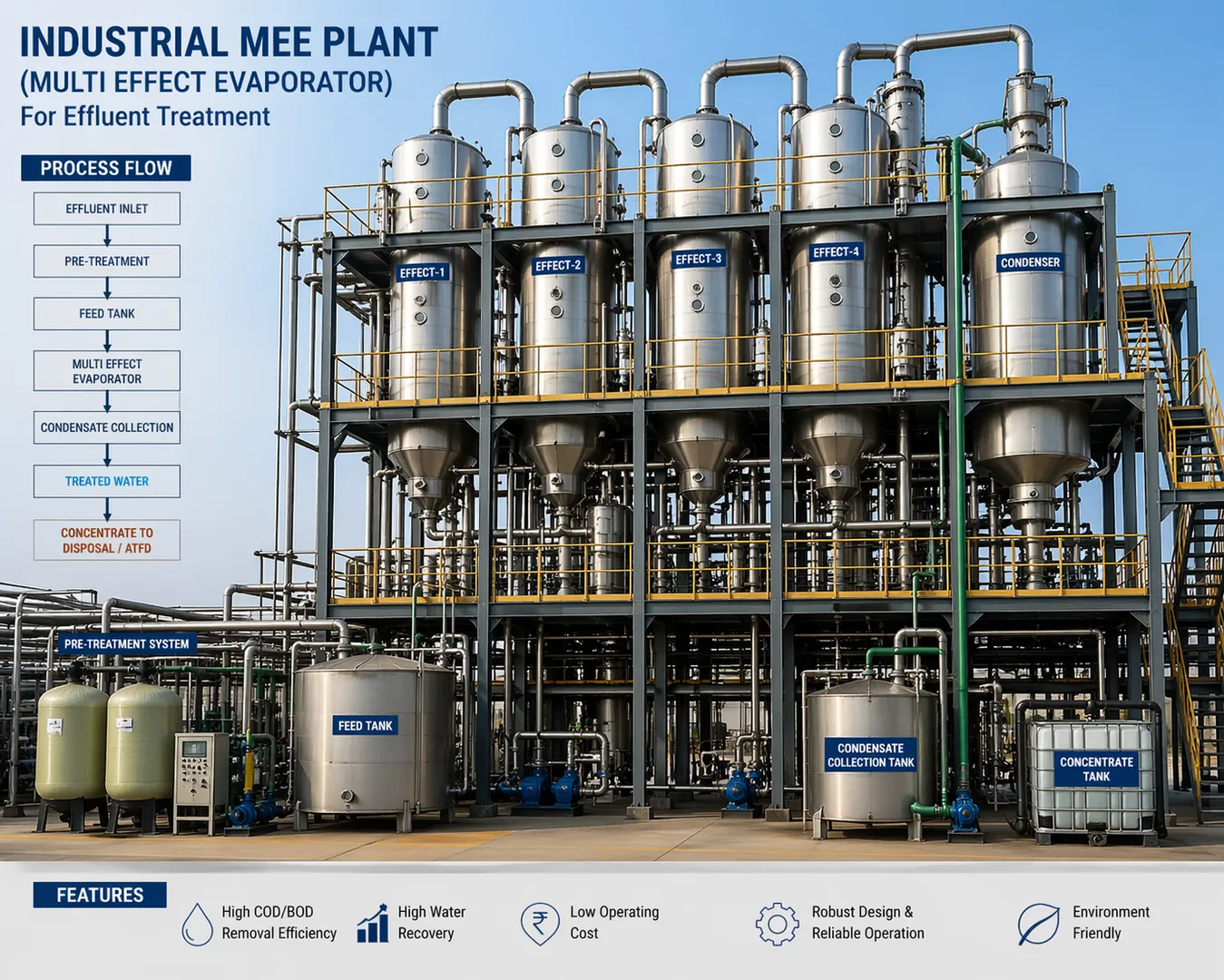
Something feels off when effluent treatment starts becoming unpredictable. One day the system works fine, the next day costs shoot up or discharge levels don’t meet expectations. It’s a common situation in many process-driven industries, especially where wastewater composition keeps changing.
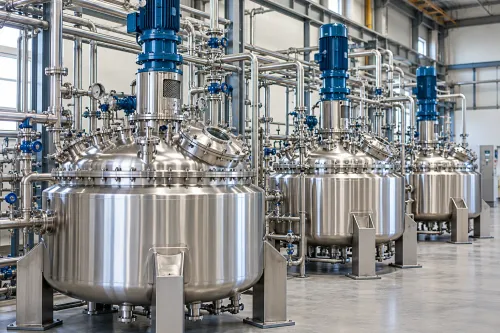
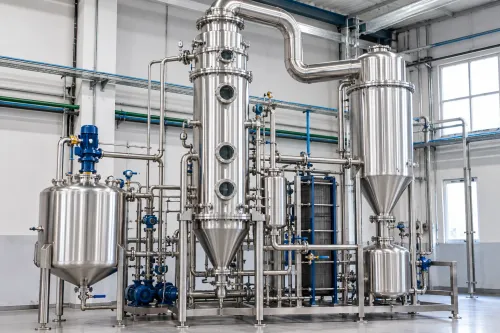
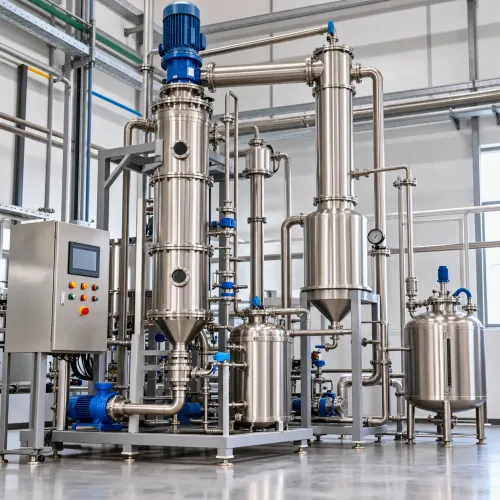
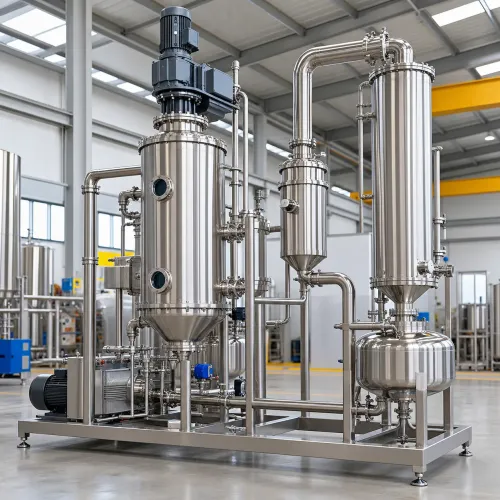
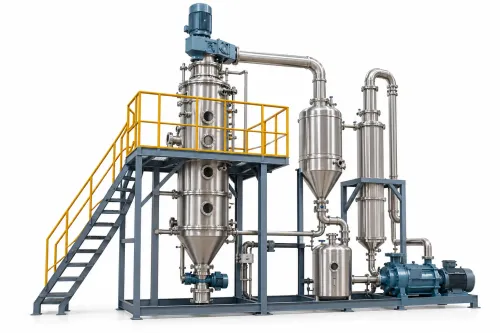
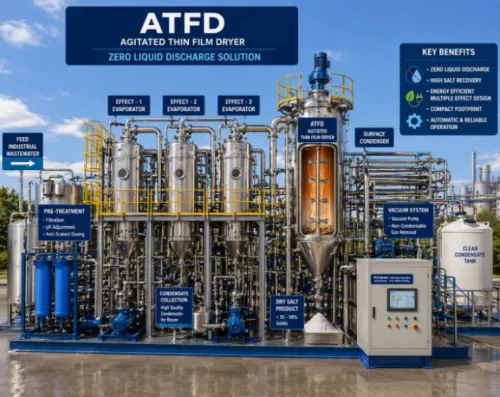
That’s where an Industrial MEE Plant for Effluent Treatment begins to make a real difference. Instead of treating effluent as a one-time process, it focuses on continuous concentration and volume reduction. By using multiple stages of evaporation, the system reuses heat energy efficiently, helping reduce steam consumption while maintaining steady output. Over time, this brings a level of control that many traditional systems struggle to offer.
At Chemie Prozessors in Vadodara, the approach is not just about installing an evaporator. It’s about understanding how your plant operates daily, what kind of effluent is generated, and how fluctuations impact performance. This allows the system to be aligned with actual process conditions, rather than theoretical assumptions. For industries dealing with high TDS wastewater or variable chemical loads, this becomes particularly relevant.
There’s also a long-term perspective here. When effluent volume reduces and recovery improves, the dependency on external disposal decreases. That directly impacts operational costs and compliance efforts.
If your plant is facing challenges with wastewater handling or rising treatment costs, it might be worth exploring a more structured evaporation-based solution. A well-designed MEE system can quietly bring stability where things often feel uncertain.
Keywords