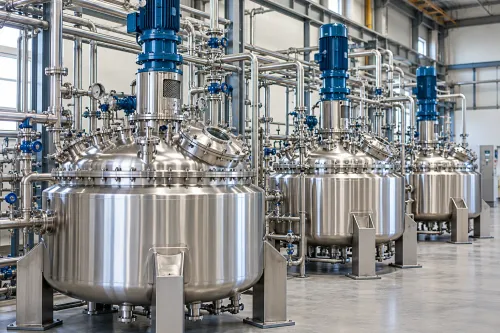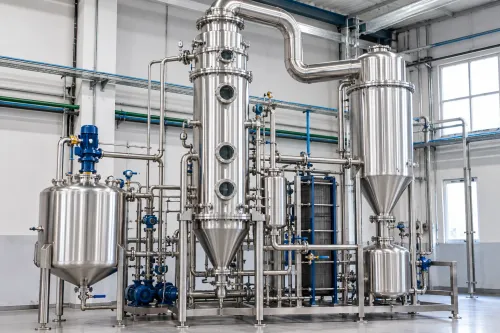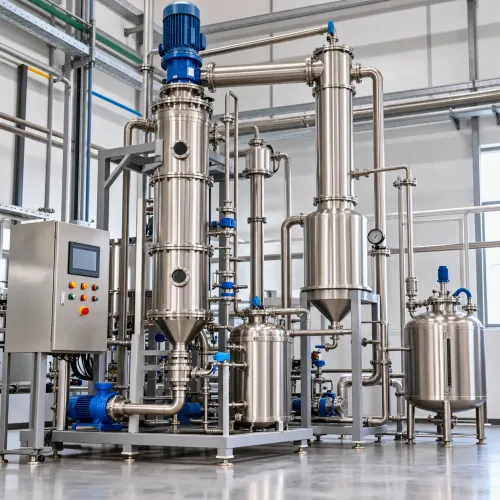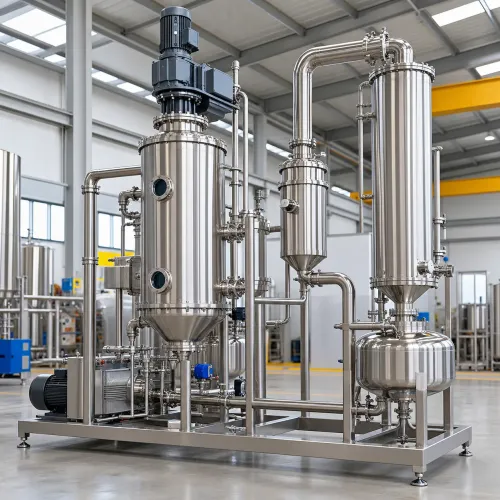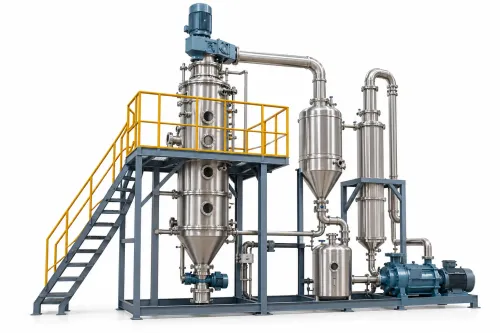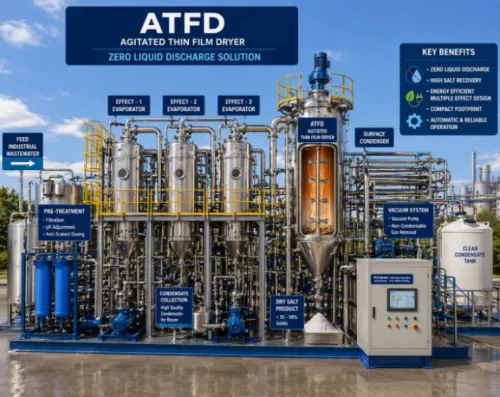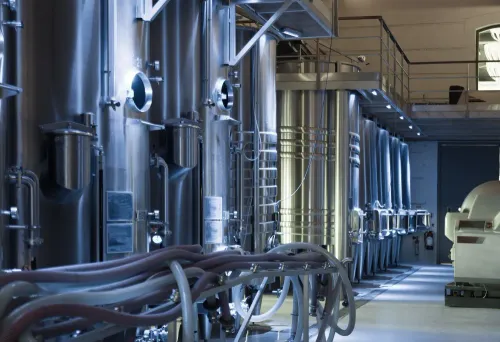
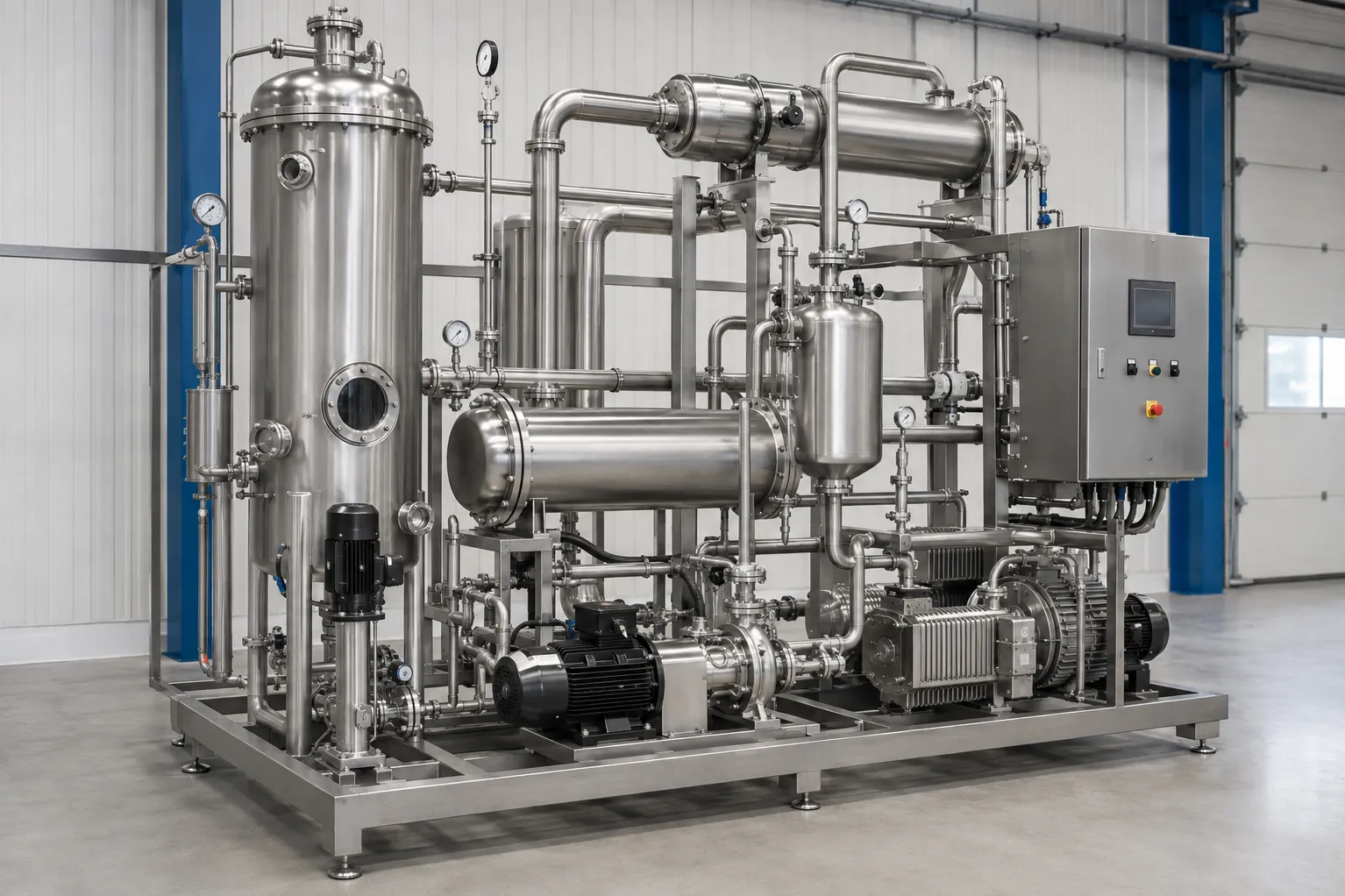
Industrial manufacturing often involves processing liquids that can lose quality when exposed to high temperatures. In such situations, evaporation at atmospheric pressure may not deliver the desired results. A Vacuum Evaporator System in Vadodara offers an effective solution by reducing the boiling point of liquids, allowing evaporation to occur at lower temperatures while maintaining product quality and improving energy efficiency.
Across Vadodara and other industrial regions of Gujarat, sectors such as pharmaceuticals, specialty chemicals, food processing, and wastewater treatment increasingly rely on vacuum evaporation technology to improve process performance and support sustainable manufacturing practices.
Understanding Vacuum Evaporation
Vacuum evaporation is a process in which pressure inside the evaporator is reduced below atmospheric levels. Since liquids boil at lower temperatures under vacuum, moisture can be removed without exposing products to excessive heat.
This principle provides advantages for materials that are heat-sensitive, viscous, or prone to degradation during conventional thermal processing.
Vacuum evaporators are commonly integrated with industrial concentration systems, solvent recovery units, and wastewater treatment plants.
Why Lower Boiling Temperatures Matter
Many industrial products contain ingredients that may change chemically when subjected to prolonged heating.
Vacuum evaporation helps by:
- Preserving product characteristics
- Reducing thermal degradation
- Improving product consistency
- Supporting higher recovery rates
- Lowering energy requirements in many applications
This makes the technology particularly valuable where product quality is directly linked to controlled processing conditions.
Industries That Commonly Use Vacuum Evaporators
Vacuum evaporator systems serve a broad range of industrial applications.
Some of the most common include:
- Pharmaceutical manufacturing
- Chemical processing
- Food and beverage production
- Herbal extract manufacturing
- Specialty chemical plants
- Electroplating industries
- Surface treatment facilities
- Industrial wastewater treatment
Each application requires different operating parameters based on the nature of the processed liquid.
Typical Applications
Vacuum evaporation supports several manufacturing objectives.
These include:
- Product concentration
- Wastewater volume reduction
- Solvent recovery
- Process water recycling
- Recovery of valuable chemicals
- Preparation for downstream drying processes
By reducing liquid volume, industries can also lower storage, transportation, and disposal costs.
Advantages Over Conventional Evaporation
While standard evaporation systems remain suitable for many industrial processes, vacuum technology offers specific operational advantages.
These include:
- Lower operating temperatures
- Improved energy utilization in suitable applications
- Better handling of heat-sensitive materials
- Reduced scaling in certain processes
- Enhanced product quality
- Greater operational flexibility
The suitability of each system depends on production objectives and process characteristics.
Important Design Considerations
Selecting a vacuum evaporator requires careful evaluation of several engineering factors.
These generally include:
- Feed composition
- Required concentration level
- Product viscosity
- Boiling characteristics
- Corrosion potential
- Steam availability
- Utility consumption
- Production capacity
A detailed process study helps determine the most appropriate equipment configuration.
Automation and Process Control
Modern vacuum evaporator systems often include advanced automation features that improve operational stability.
Typical control functions include:
- Automatic vacuum regulation
- Temperature monitoring
- Pressure control
- Flow management
- Level indication
- Safety interlocks
- Data logging
Automation helps reduce manual intervention while maintaining consistent operating conditions throughout production.
Maintenance Practices
Routine maintenance contributes significantly to long-term equipment reliability.
Recommended practices include:
- Inspecting vacuum pumps
- Cleaning heat transfer surfaces
- Monitoring seals and gaskets
- Checking instrumentation calibration
- Reviewing piping for leaks
- Performing preventive maintenance at scheduled intervals
Regular servicing helps maintain efficiency while minimizing unexpected downtime.
Selecting the Right Equipment Partner
Choosing a vacuum evaporator involves more than comparing equipment specifications. Manufacturers should also assess engineering expertise, customization capabilities, fabrication quality, testing procedures, and after-sales technical support.
Companies such as Chemie Prozessors develop vacuum evaporation systems tailored to individual industrial processes, enabling manufacturers to address application-specific requirements rather than relying on standard configurations. For industries across Vadodara and Gujarat, a properly designed vacuum evaporator can improve process efficiency, support responsible resource management, and contribute to reliable long-term plant performance.
Keywords