A ZLD upset can begin hours earlier in a batch charge, quench, cleaning cycle or failed reaction. By tracing changes in wastewater composition, timing and temperature, you can determine whether the reactor caused the failure or whether the evaporator, crystalliser, ATFD, condenser, pump, instrument or utility system is responsible.
Key takeaways
- Trace failed batches, cleaning liquors and emergency discharges to the ZLD failure.
- Compare slug concentration and timing, not only the 24-hour average flow.
- Set the ZLD feed envelope using campaign-wise peak composition and volume.
- Require reactor change management alongside evaporation and biological-treatment support.
Map the Reactor Upset to the ZLD Failure
A reactor upset destabilises ZLD through a sudden change in feed composition, not only through higher flow. Batch cleaning, phase separation, mother-liquor transfer, failed-batch dumping and emergency discharge can send concentrated slugs to equalisation or directly to evaporation; a 24-hour average can conceal the overload.
| Operation | Wastewater change | ZLD consequence |
|---|---|---|
| Batch reactor cleaning | High-pH or low-pH wash water, suspended solids and solvent residues arrive together | Equalisation pH shock, foaming, corrosion or biological inhibition |
| Quench or neutralisation reactor | Heat, carbon dioxide and dissolved salts increase after acid–alkali reaction | Scaling tendency and crystalliser solids rise even though corrosivity falls |
| Failed batch or incomplete reaction | Higher COD, unreacted chemicals, catalyst carryover and abnormal viscosity | Biological treatment toxicity, evaporator fouling or unstable boiling |
| Solvent change or solvent loss | Volatile organic loading shifts into vapour and non-condensable gases | Foaming, entrainment, condenser loading and vacuum instability |
| Continuous reactor upset | Sustained off-specification flow and temperature replace a short batch spike | Equalisation capacity is consumed, then the entire ZLD train runs outside its feed envelope |
For zld system reactor problems, trace the timing from the reactor outlet to equalisation, feed tank, evaporator and crystalliser. A zero liquid discharge system for reactor problems in Vadodara needs campaign-wise peak flow and composition limits, not just daily volume.
Check these warning signals before changing evaporator settings:
- A sudden COD, chloride, sulphate, solids, temperature or viscosity increase.
- A pH overshoot, emergency dump or wash-water surge.
- Volatile solvent, ammonia or hydrogen sulphide appearing in vapour or condensate.
How Reactor Chemistry Damages Evaporation and Biological Treatment
A reactor can turn a stable ZLD feed into a scaling, foaming or corrosive stream within one batch. Reactor effects on wastewater treatment arise from composition changes more than flow: pH, temperature, COD, chloride, sulphate, solvent, catalyst and suspended solids can move the plant outside its previous operating window.
- Low or high pH increases corrosion and can destabilise biological treatment. Neutralisation reduces corrosivity, but it does not remove dissolved solids; acid–alkali reactions also add heat, carbon dioxide and salts, increasing crystalliser solids and scaling tendency.
- Calcium, silica, sulphate, carbonate, iron and organic material become concentrated during evaporation. Recycled mother liquor and reused condensate intensify accumulation, so a feed that worked in one pass can later lose heat transfer and raise boiling-point elevation.
- Solvents, ammonia and hydrogen sulphide can enter vapour and non-condensable-gas systems rather than vanish with evaporated water. Poor separation causes foaming, entrainment, condensate contamination, vacuum instability and hazardous vent loading.
- Catalyst carryover, reaction intermediates, biocides or cleaning chemicals can poison biomass or inhibit biodegradation. High COD or toxic solvent slugs then pass untreated or overload downstream evaporation.
- Fine solids and viscous residues foul heat-transfer surfaces, block pumps and promote local corrosion. A failed batch, quench error or wash can deliver this load as a short slug.
Equalisation must therefore absorb campaign-wise peaks before biological treatment or evaporation. Sending concentrated reactor discharge directly to either unit turns a chemistry upset into equipment failure.
Separate a Reactor-Origin Problem from Equipment Failure
A reactor-origin upset is proven when a time-stamped feed sample changes before the ZLD equipment response. Take samples at the reactor outlet, equalization tank, evaporator feed, condensate and mother-liquor return during the same batch, then compare them with the last stable campaign.
Run these checks:
- Reactor discharge: test pH, temperature, conductivity, TDS, COD, TOC, chloride, sulphate, calcium, silica, iron, solvents and suspended solids. Match the result to charging, quench, cleaning or emergency-dump records.
- Evaporator: record feed flow, steam pressure, vacuum, boiling temperature, differential pressure and heat-transfer coefficient. Analyse removed scale for calcium carbonate, sulphate, silica, iron or organic material; a matching reactor contaminant points upstream.
- Crystalliser and ATFD: measure slurry density, particle size, cake moisture, torque and discharge rate. A sudden rise in torque with normal evaporator feed suggests solids handling or crystallisation trouble.
- Condenser: test condensate and non-condensable gas for solvent, ammonia and hydrogen sulphide. Contaminated vapour with unchanged reactor feed directs attention to condenser, demister or vent treatment.
- Pumps: compare suction pressure, discharge pressure, flow, motor current, vibration and strainer condition. Low flow with correct tank level indicates pump or blockage failure.
- Instrumentation and utilities: verify pH, conductivity, flow, pressure and temperature against calibrated portable instruments. Check steam, cooling water, power, compressed air and vacuum independently.
This evidence-led sequence is the core of zld troubleshooting for process plants: a reactor slug changes composition first; equipment failure changes performance without that upstream chemical signature.
Set the Feed Envelope Around Campaign-Wise Peak Loads
A 24-hour average hides the slug that destabilises a ZLD train. Build the feed envelope from each campaign’s maximum flow, COD, salt load, temperature, suspended solids and volatile content, including cleaning, mother-liquor transfer, failed-batch and emergency-discharge scenarios.
1. Record batch volume, discharge duration and mass load at the reactor outlet, collection sump, equalization-tank inlet, equalization outlet and evaporator-feed line. Sample each campaign peak, not only the daily composite; test pH, conductivity, chloride, sulphate, COD, TSS, solvent concentration, temperature and viscosity.
2. Set normal, high and high-high limits for flow, pH, temperature, conductivity, COD, chloride, TSS and key solvents at the equalization outlet. Base limits on proven evaporator, biological-treatment and materials-compatibility data; add rate-of-change alarms for sudden conductivity, COD or pH shifts. A high-high signal must stop automatic feed and divert the batch to contained holding.
3. Size equalization for the largest credible slug plus mixing time, not merely average daily volume. Provide agitation, level measurement, pH and temperature control, a segregated hazardous hold tank, and controlled metering to biological treatment or evaporation. Do not blend incompatible streams simply to lower an analyser reading.
Review alarms after every product, catalyst, solvent, quench or cleaning change. This exposes reactor effects on wastewater treatment and prevents ZLD system reactor problems from being mistaken for evaporator failure. Recheck condensate quality, volatile loading and solid formation before widening operating limits.
Choose ZLD Support That Includes Reactor Change Management
Seek industrial zld support in vadodara before a new campaign if the product, solvent, catalyst, quench, wash chemical or cleaning agent changes wastewater composition. Call specialists sooner after a failed batch, emergency dump, unexplained foaming, rising evaporator pressure drop, condenser odour, crystalliser carryover or a short concentrated discharge that bypassed equalisation.
Before release, require a signed change assessment covering:
- Peak flow and concentration from batch discharge, mother liquor, phase separation and cleaning—not only the 24-hour average.
- pH, temperature, COD, chloride, sulphate, suspended solids, viscosity, scaling ions and biological toxicity.
- Solvent, ammonia, hydrogen sulphide and other volatile loading, including condenser, demister, vent-treatment and hazardous-area controls.
- Materials compatibility, corrosion allowance, boiling-point elevation, foaming risk and condensate specification.
- Crystallizer salts, ATFD cake, cleaning residues and spent media, with hazardous-waste characterization and a disposal route.
- Instrument changes: duplicate pH, conductivity and flow checks, sample conditioning, calibration and probe-cleaning intervals.
| Change type | Verify before campaign | Do not release when |
|---|---|---|
| New solvent or catalyst | Volatile load, COD, toxicity, corrosion and vapour handling | Vent or condensate controls are untested |
| New cleaning chemical | pH shock, chloride load, foam and residue compatibility | Equalisation capacity is unavailable |
| New product or quench | Peak slug, solids, scaling ions and solid-waste classification | Feed envelope and disposal route are undefined |
Chemie Prozessors can contribute useful evaporator, crystalliser and ATFD review, but the plant’s reactor, laboratory, EHS and production owners must approve the revised operating envelope. That division prevents equipment support from masking a process-change failure.
Related products
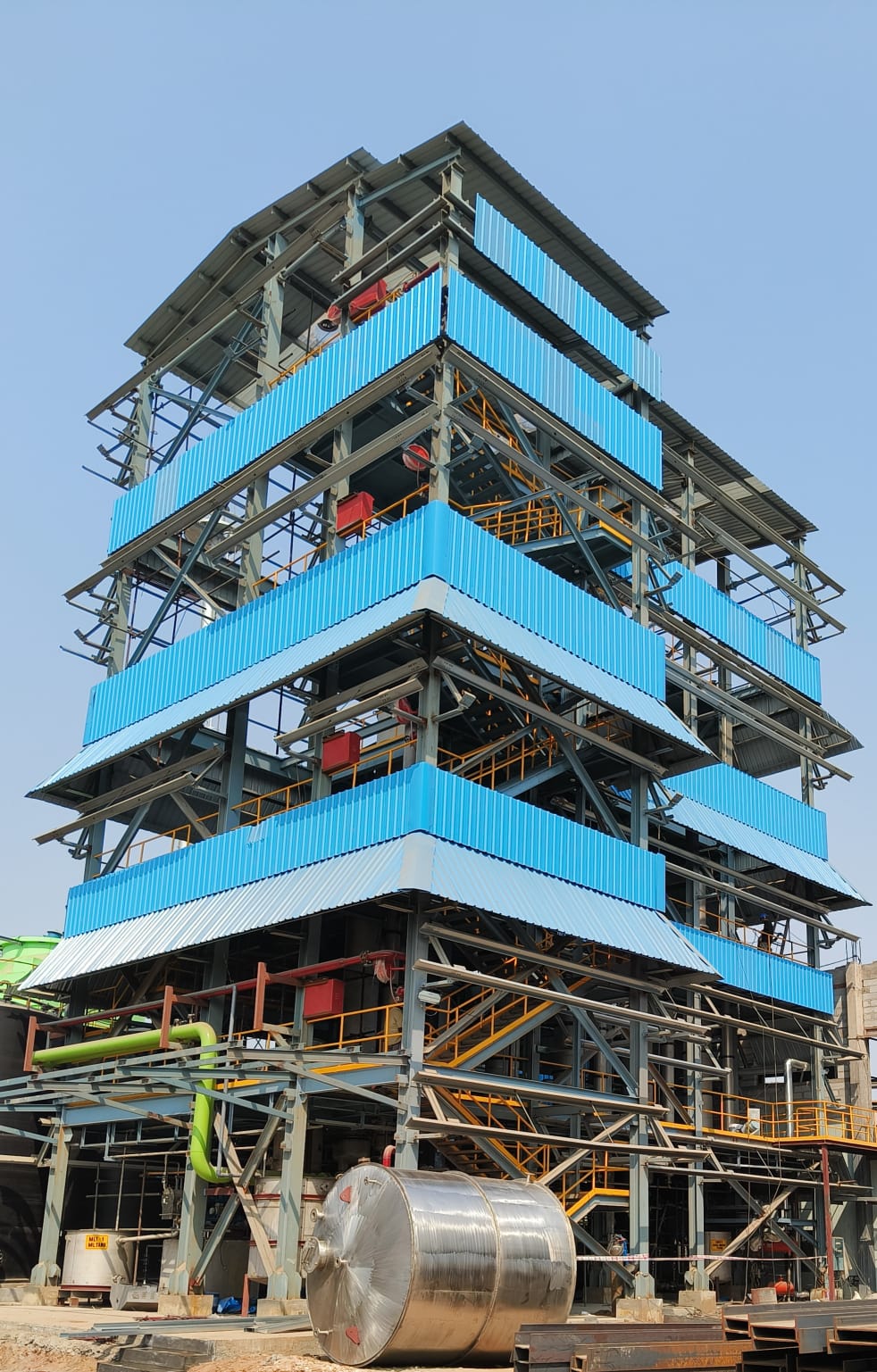 | ₹2000000 Our range of products include industrial zero liquid discharge system, multiple effect evaporators mee supplier in bharuch, zero liquid discharge... View product → |
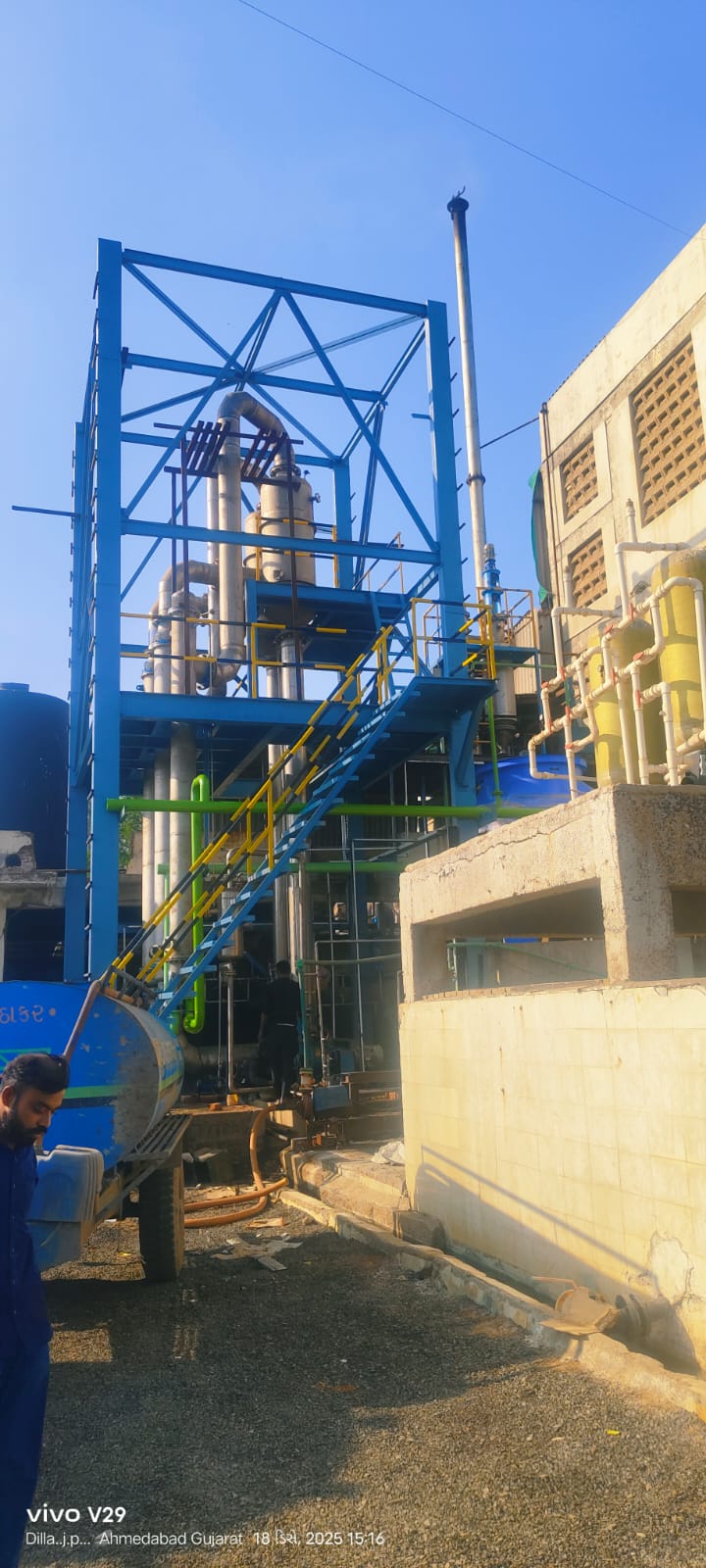 | Evaporator ₹1500000 Product Details: Material Stainless Steel Automation Grade Automatic Usage/Application Industrial Country of Origin Made in India Multiple Effect... |
Frequently asked questions
How can a reactor upset cause a ZLD system failure?
A sudden feed-composition change can overload equalisation or evaporation. Cleaning batches, mother liquor, failed-batch dumps and emergency discharges can create concentrated slugs that a 24-hour average conceals.
What reactor effects damage wastewater treatment?
Reactor chemistry can alter the feed reaching evaporation and biological treatment. Concentration, toxicity and rapid composition changes can disrupt treatment performance even when total flow remains within the design rate.
How do you distinguish a reactor-origin problem from equipment failure?
Match the ZLD failure timeline against batch transfers, cleaning, phase separation, failed-batch disposal and emergency discharge records. Compare feed composition and loading before inspecting equipment for mechanical or control faults.
How should you define a ZLD feed envelope for reactor operations?
Build it around campaign-wise peak flow, concentration and composition rather than daily averages. Include cleaning, mother-liquor, failed-batch and emergency-discharge scenarios.
What should industrial ZLD support include when reactor campaigns change?
Support should cover reactor change management, feed-envelope review, upset-routing rules, sampling, equalisation control and troubleshooting across evaporation and biological treatment.
Related products
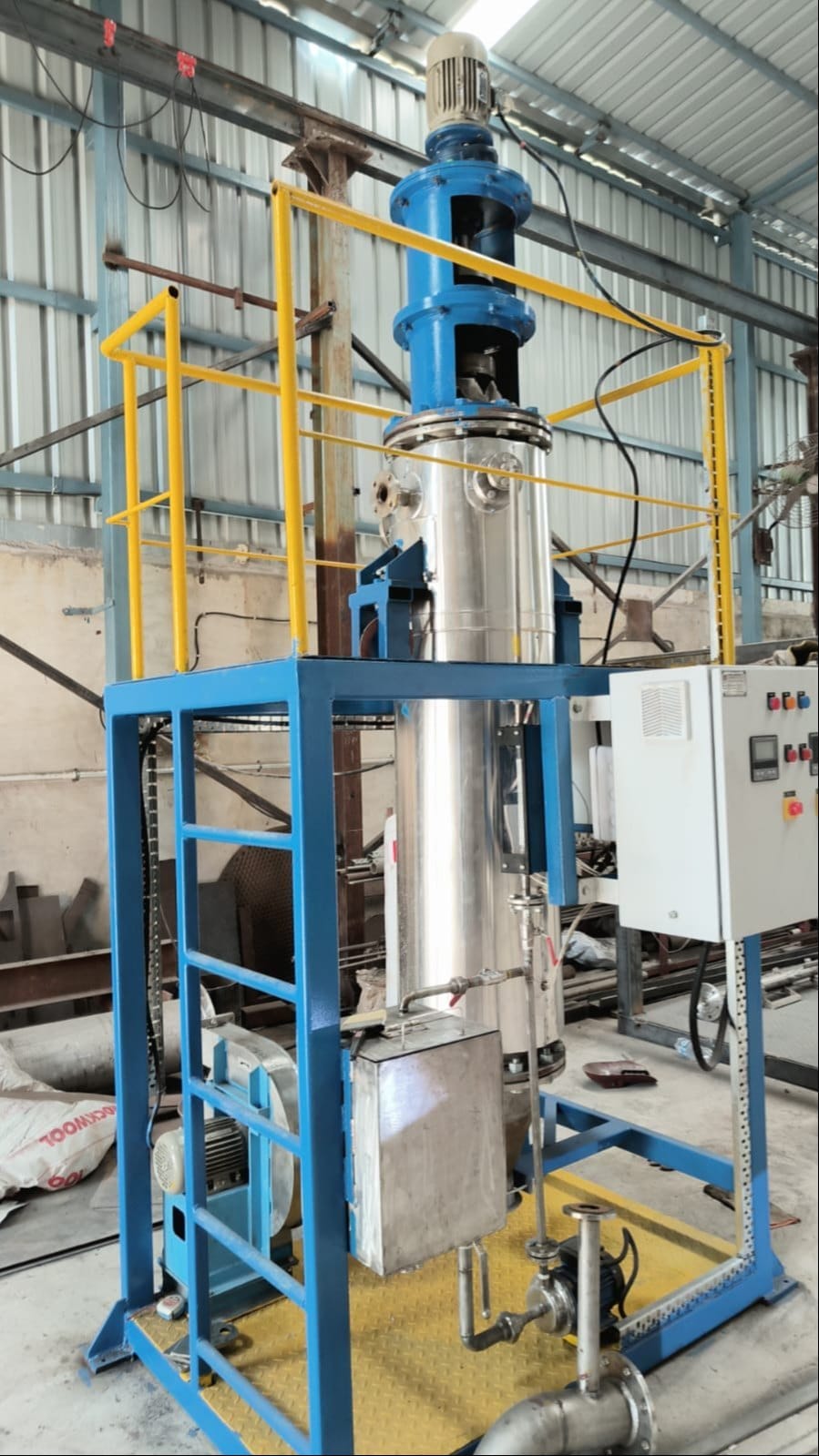 | ₹750000 Product Details: Capacity(kg) 150 Automation Grade Automatic Usage/Application Industrial Material Stainless Steel Power Source Steam / Thermic Fluid... View product → |
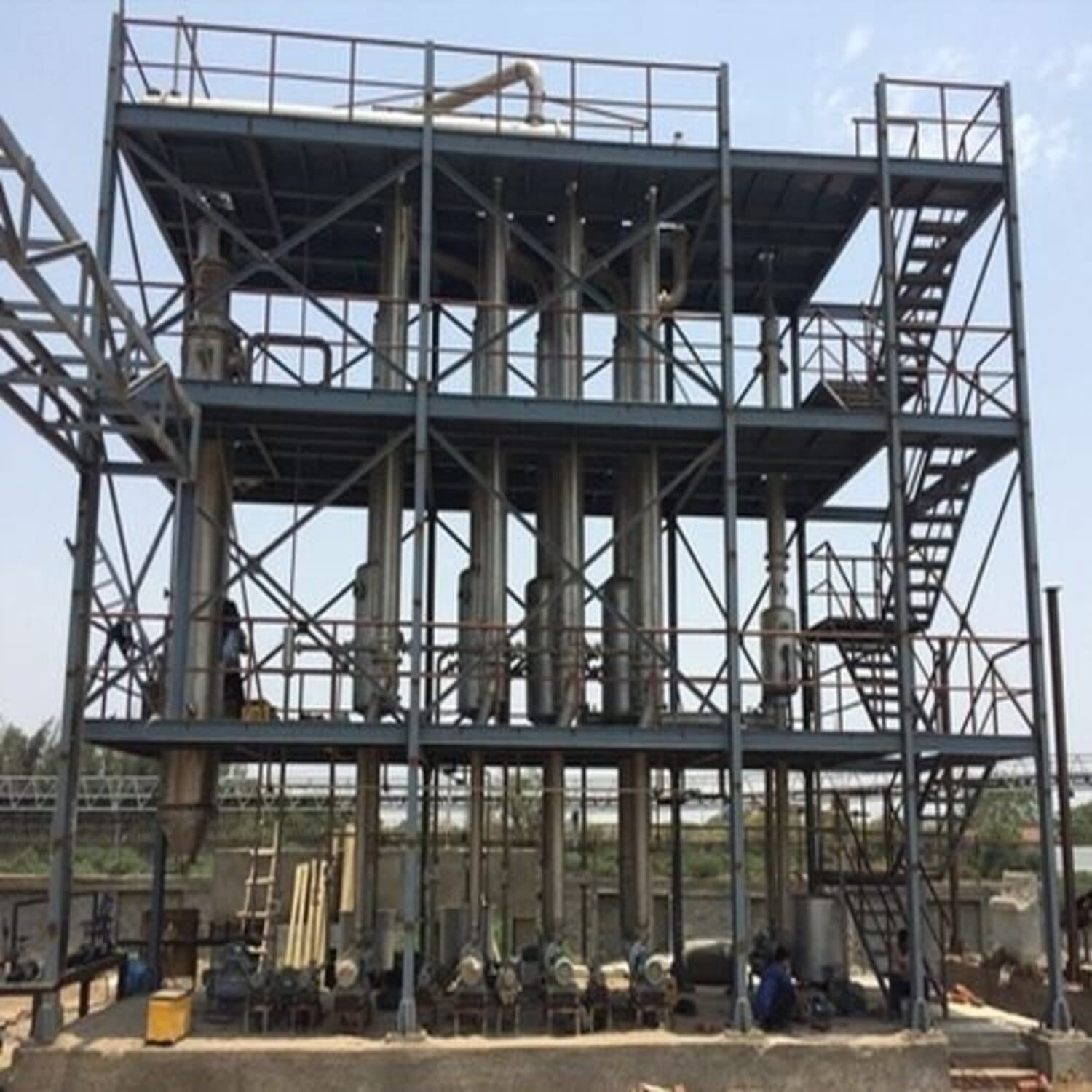 | ₹2300000 Providing you the best range of industrial multiple effect evaporator, multiple effect evaporators mee supplier in ankleswar, automatic mee plant,... View product → |
 | ₹749999 Product Details: Capacity(kg) 150 Material Stainless Steel Power Source Steam / Thermic Fluid / Electric Usage/Application Industrial Country of... View product → |
Keywords